
Open Position
Master Thesis Project in Cell Technology
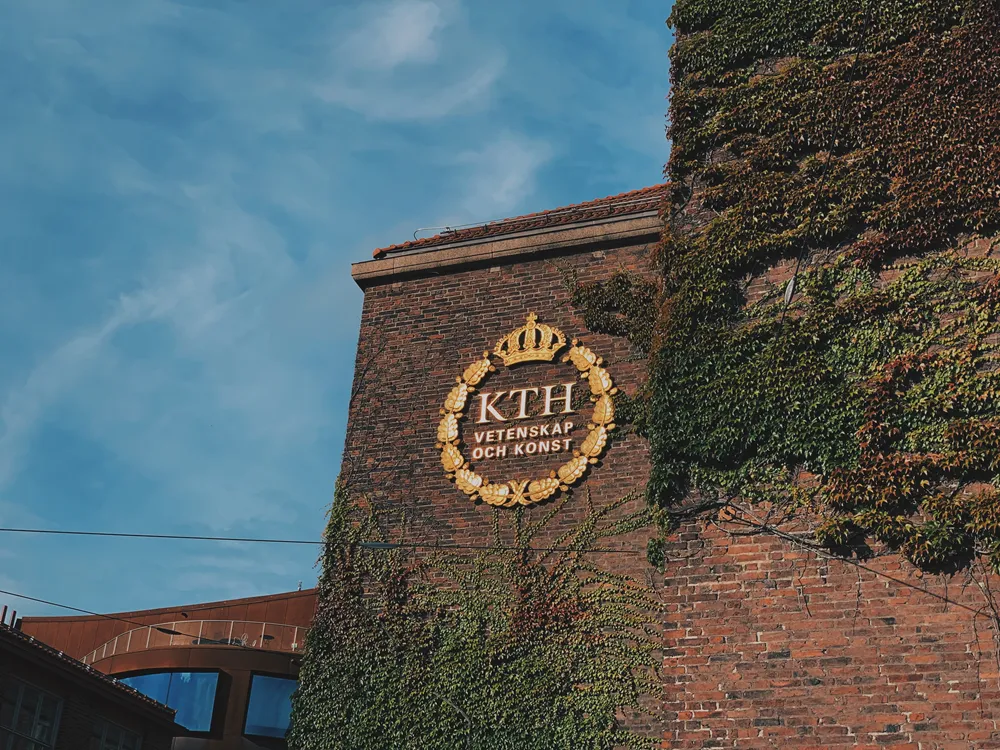
The Cell Technology group (CETEG) belongs to the KTH School of Engineering Sciences in Chemistry, Biotechnology, and Health (CBH) - Dept. of Industrial Biotechnology, with clean labs and offices on floor 1 at AlbaNova Centre in Stockholm.
The research activities of the group are focused on processes using established recombinant cell lines for the production of therapeutic proteins (e.g. antibody, glycoproteins), adeno-associated virus or cells for therapy. Motivated students wanting to do their master thesis or internship of ≥ 5 months in these domains are most welcome to take contact with us. We are working in collaborations with industry in Sweden and internationally, with other departments at KTH and other institutions. Veronique Chotteau is Director of AdBIOPRO, VINNOVA Competence Centre for Advanced BioProduction by Continuous Processing and Coordinator of the EU H2020 - IMI2 project iConsensus.
CHO cells are the most widely cells used for the industrial production of biopharmaceuticals today. Mathematical models (e.g. based on metabolic flux analysis, combined with a description of the kinetics) can be used to quantitatively investigate and predict the behavior of the cells in culture. CETEG in collaboration with the Dept. of Automatic Control (KTH) and the Dept. of Optimization (KTH) is developing new approaches for mathematical models of mammalian cell culture bioprocesses. Our ultimate goal is to provide new tools to design culture media and nutrient feeding in culture processes, to predict the culture behavior and provide optimization tools. Our current focuses are to model the amino acid and energy metabolism; and to model the glycosylation.
Perfusion processes have an increasing interest in the biopharmaceutical industry. We have achieved world-record cell densities with CHO cells. Our general goal is to achieve a better understanding how to develop and optimize these processes. Our current focuses for perfusion processes include CHO cells and HEK293 cells as factories for the production of glycoproteins (e.g. monoclonal antibodies) or adeno-associated viruses.
Ideal applicants are highly motivated MSc level students from the field of biotechnology, bioengineering or similar. English is our working language since we are an international team. Therefore, applicants need to have a proficient level of English in speaking, reading and writing. Apply by sending your CV/Résumé, course transcript and a short motivational letter describing your background and interest.
Contact : Veronique Chotteau; email chotteau@kth.se