

The Group of Cell Technology, Dept. Industrial Biotechnology, Engineering Sciences in Chemistry, Biotechnology, and Health (CBH), KTH, is a research laboratory for cell technology and in particular for mammalian and human cell cultivation bioprocess.
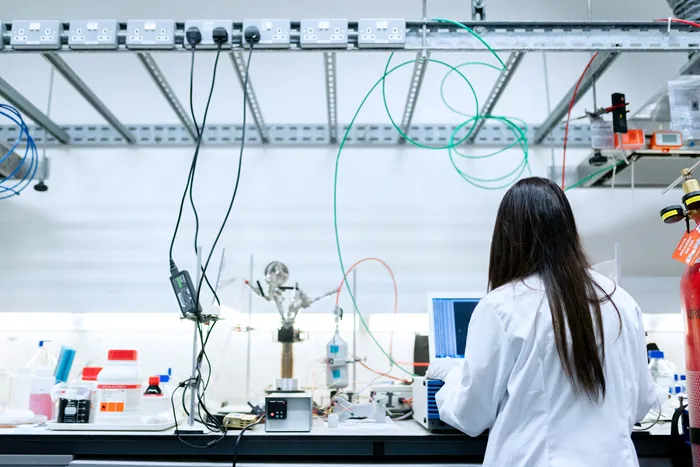
The research activities of the group are focussed on processes using established recombinant cell lines for the production of therapeutic proteins (e.g. antibody, glycoproteins), adeno-associated virus or cells for therapy.
Dr. Véronique Chotteau, leader of the Cell Technology Group, has more than thirty years experience of mammalian cell culture and has been working in industry (Biovitrum, previously Pharmacia and today SOBI, Stockholm, Sweden) during more than eleven years as senior project manager for the development of biopharmaceutical processes and mammalian cell cultivation expert.
Sponsors of the activities of Cell Technology Group: Vinnova, EU, industrial collaborators
Research
The group focusses on bioproduction of therapeutic proteins (e.g. antibody, glycoproteins), adeno-associated virus, cells for therapy
Very high cell density perfusion culture of Chinese Hamster Ovary cell and HEK293 cells
Dynamic modelling of metabolism and glycosylation for mammalian/human cell processes
Separation of glycoprotein based on magnetic beads
Proliferation of human cells, e.g. pluripotent human stem cells
Services
The group provides also contract-based service for the development of bioprocess and production of purified protein. The services include development of animal cell based processes suitable for industrial production of biopharmaceutical (e.g. antibody, glycoprotein) in established cell-based system in preparation for clinical phase manufacturing, production of material in view of toxicological study up to 20 L size and production of material by transient expression system, e.g. HEK293 cells, CHO cells insect cells; and development of human stem cell processes.
Facility
The group is located at the AlbaNova Center KTH campus. The laboratories of the group include clean rooms equipped with stirred tank bioreactor (size 0.2 to 20 L), cell separation device for perfusion, laminar flows, incubators, robot analysers, analytical instruments, etc. and has access to the instrument park of AlbaNova KTH.